


Bathtub Repair Options That Save Time and Money

A bathtub can make an otherwise clean bathroom feel neglected fast. A chipped edge catches your eye every morning, rust around the drain suggests dirt even after cleaning, and a dull, stained finish can date the whole room. The good news is that bathtub repair options are not limited to tearing out the tub, opening walls, and paying for a full renovation.
For many homeowners, landlords, and sellers across the Northeast, restoring the tub is the faster, cleaner, and more cost-effective choice. The right solution depends on what is wrong with the surface, what the tub is made of, and how long you need the improvement to last.
Start With the Condition of the Tub
A bathtub that looks worn is not always structurally damaged. Surface stains, minor chips, scratches, discoloration, and loss of shine can often be corrected without replacement. Even older fixtures can look remarkably new when the underlying tub is still stable.
The key distinction is whether the damage is cosmetic or structural. Cosmetic problems affect appearance and cleanability. Structural issues, such as a soft floor beneath the tub, a badly cracked base that flexes when stepped on, active leaks, or serious damage around plumbing connections, may require more extensive work before the surface can be restored.
A professional assessment helps prevent wasted money. Applying a new finish over an unresolved leak or unstable tub base will not solve the real problem. But if the fixture is solid, repair and refinishing can preserve an existing tub that would be expensive and disruptive to remove.
Bathtub Repair Options for Common Problems
Spot repair for chips, cracks, and small damaged areas
Small chips and cracks are common on porcelain, enamel, fiberglass, acrylic, and cultured marble tubs. They often happen when a heavy object falls into the basin or when a hard cleaning tool damages the finish. Left alone, these flaws can collect moisture, grow larger, or expose material beneath the surface to rust or further wear.
A targeted repair can fill and level minor damage, then blend the repaired area with the surrounding finish. This option makes sense when the tub is otherwise in good condition and the issue is limited to one or two small areas. It is generally the most economical path for localized damage.
Spot repair has limits. If the entire tub is yellowed, scratched, rough, or losing its finish, fixing one chip will not make the rest of the surface look new. In that case, a full refinishing service usually delivers a more consistent result.
Rust removal and surface restoration
Rust stains near the drain, overflow plate, or edges of an older steel or cast-iron tub can be frustrating. Household cleaners may lighten the stain temporarily, but they cannot correct pitting or exposed metal beneath a damaged finish. Abrasive scrubbing can make the problem worse by wearing away more of the protective surface.
Surface restoration addresses the damaged area so the tub can be protected and refreshed. When rust is caught early, repair can help extend the fixture's usable life and improve hygiene by removing rough areas where grime tends to cling.
If rust has eaten through the tub or is being caused by a plumbing leak behind the wall, the source must be corrected first. A restored finish works best when the fixture is dry, stable, and properly prepared.
Reglazing for dull, stained, or outdated tubs
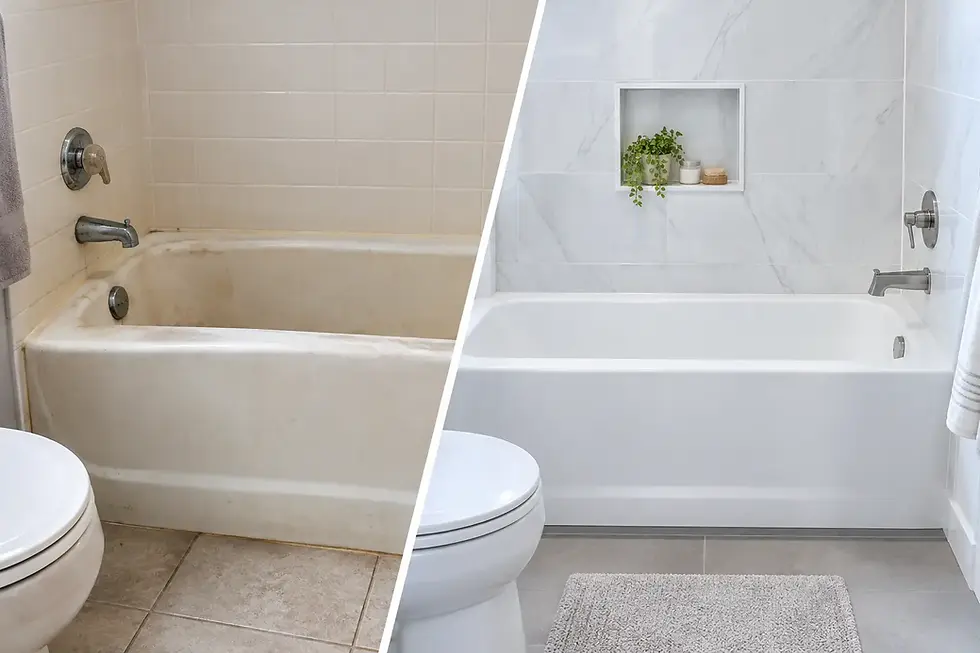
Bathtub reglazing, also called refinishing or resurfacing, is often the best choice when the tub has widespread cosmetic wear. Rather than removing the fixture, a trained technician prepares the existing surface, repairs minor imperfections, and applies a durable new coating. The result is a smooth, bright finish that can make the entire bathroom feel cleaner and more current.
Reglazing is especially valuable for cast-iron and steel tubs that are built to last but no longer look their best. It can also be an excellent option for fiberglass and acrylic tubs with worn finishes, provided the tub is structurally sound.
This approach avoids demolition, protects surrounding tile and plumbing, and keeps a bathroom project moving quickly. For a landlord preparing a unit between tenants or a homeowner getting ready to sell, that reduced downtime can matter as much as the savings.
Color is another consideration. A white refinished tub is a popular choice because it creates a clean, versatile look and works with many bathroom styles. Refinishing can also help coordinate an older tub with refreshed tile, vanity cabinets, or countertops without replacing every surface in the room.
Tub liners and inserts
A tub liner is a prefabricated shell installed over an existing tub. It can hide a worn finish, but it is not the right answer for every bathroom. Installation may take longer than refinishing, and the cost can be closer to replacement than many homeowners expect.
Liners also depend on a precise fit. If moisture gets behind an improperly installed liner, it may create odor, mold, or cleaning concerns. They can be useful in certain situations, but homeowners should compare the full installed price, warranty terms, and condition of the existing tub before deciding.
Full bathtub replacement
Replacement is appropriate when a tub has serious structural damage, extensive leaking, major movement, or deterioration that cannot be safely repaired. It may also be the better choice when a bathroom layout must change completely as part of a major renovation.
Still, replacement involves more than purchasing a new tub. Removal can damage surrounding tile, drywall, flooring, plumbing, and trim. Those added repairs increase cost, extend the project, and create more dust and disruption in the home. If the existing tub is solid, replacement is often more work than necessary.
When a Tub-to-Shower Conversion Makes More Sense
Sometimes the issue is not the condition of the tub. It is how the bathroom functions. Older adults, people with limited mobility, and homeowners planning to age in place may find stepping over a high tub wall inconvenient or unsafe. A tub-to-shower conversion can replace that daily obstacle with a more accessible bathing space.
This is a larger project than reglazing, but it can be a practical investment when safety and ease of use are the priorities. A walk-in shower can also simplify cleaning and give a compact bathroom a more open appearance. The best choice depends on the household's needs and whether another bathtub is available in the home for resale flexibility.
How to Choose Between Repair, Reglazing, and Replacement
The right decision usually comes down to the scope of damage, budget, timeline, and goals for the property. A small chip in a good-looking tub calls for repair. A stable but tired-looking tub often benefits most from reglazing. A leaking or badly damaged fixture may need replacement or a larger bathroom update.
Consider how long you plan to stay in the home as well. A seller may want a fast visual improvement that makes the bathroom show better without overspending. A landlord may prioritize a clean, durable finish that helps attract tenants and reduces turnover downtime. A long-term homeowner may choose refinishing to preserve a quality original cast-iron tub while updating the room around it.
It also helps to think beyond the bathtub. Cracked tile grout, worn vanity cabinets, stained countertops, and faded wall paint can make a restored tub look out of place. Coordinating surface updates creates a more complete transformation without the cost and mess of gutting the bathroom.
Protecting a Repaired or Refinished Tub
A restored tub needs sensible care, not complicated maintenance. Use nonabrasive cleaners and a soft sponge or cloth. Avoid harsh scouring powders, steel wool, and suction-cup mats, which can damage a refinished surface over time. Repair dripping faucets promptly so standing water does not wear on the finish near the drain.
Good ventilation also matters. Run the exhaust fan during and after showers, wipe away heavy water buildup when practical, and keep bath products from sitting directly on the tub floor for long periods. These simple habits help preserve a clean, glossy appearance.
For homeowners who want a visible bathroom upgrade without a demolition-heavy project, Majestic Bathtub & Tile Reglazing can help identify whether repair, refinishing, or conversion is the practical next step. A free estimate gives you a clearer picture of what your existing bathroom can become.
A worn bathtub does not have to dictate the look of your home or the size of your renovation budget. Start with the fixture you have, address the damage that matters, and choose the improvement that makes your bathroom feel clean, comfortable, and ready to use again.


Comments