


What Does a Bath to Shower Conversion Cost?

A high tub wall can make an otherwise functional bathroom feel dated, difficult to clean, and less safe to use. So, what does a bath to shower conversion cost? For most homeowners, the answer depends on whether the project refreshes the existing tub area or requires a full tear-out, plumbing relocation, and replacement of surrounding materials.
A straightforward tub-to-shower conversion can often cost far less than a complete bathroom remodel. The best value comes from understanding what your bathroom needs, choosing upgrades that improve daily use, and avoiding unnecessary demolition when the existing structure is still in good condition.
What Does a Bath to Shower Conversion Cost on Average?
In the Northeast, a bath-to-shower conversion commonly ranges from about $3,000 to $12,000 or more. A basic conversion that keeps the plumbing in place and uses a standard shower base and wall system usually falls toward the lower end. A custom walk-in shower with tile, glass doors, upgraded fixtures, waterproofing work, and plumbing changes can move well beyond that range.
The difference is not just the shower itself. Labor, demolition, disposal, wall repairs, plumbing condition, material quality, and the layout of the bathroom all affect the final price. Older homes in New Jersey, Pennsylvania, Maryland, and New York may also reveal hidden issues once work begins, such as water-damaged subfloors, outdated pipes, or mold behind worn wall surfaces.
For homeowners focused on a clean, updated result without the price and downtime of a full remodel, a conversion that works within the existing tub footprint is often the most practical starting point.
The Biggest Factors That Affect Your Price
Keeping or moving the plumbing
Keeping the drain, valve, and water lines where they are is one of the clearest ways to control costs. Replacing a tub with a shower in the same location allows the project to use the existing plumbing layout, reducing labor and the risk of opening additional walls or flooring.
Moving the shower to another wall, changing the drain location, or installing new supply lines can add significantly to the project. This may be worthwhile for a better layout, but it should be a deliberate choice rather than an unexpected expense.
The condition of the existing tub area
A solid tub surround may need only surface preparation, repairs, and a new shower solution. If the tub is cracked, the tile is loose, or the wallboard has been exposed to moisture for years, more extensive work may be needed before a shower can be installed safely.
Surface damage is not always a reason to replace everything. Chips, stains, worn finishes, and outdated color can often be addressed through professional refinishing. Restoring surfaces where appropriate can help create a fresher bathroom while limiting waste and avoiding a demolition-heavy project.
Shower walls, base, and finishes
Material selection has a major effect on cost and maintenance. Acrylic and composite wall systems are popular because they are easy to clean, resist moisture, and can be installed more quickly than a fully tiled shower. They are a strong fit for rental properties, busy households, and homeowners who want a reliable update without constant grout maintenance.
Tile can create a custom look, but it generally costs more because it requires careful waterproofing, setting materials, grout, and additional installation time. Premium stone, decorative tile patterns, built-in niches, and custom benches can raise the investment further.
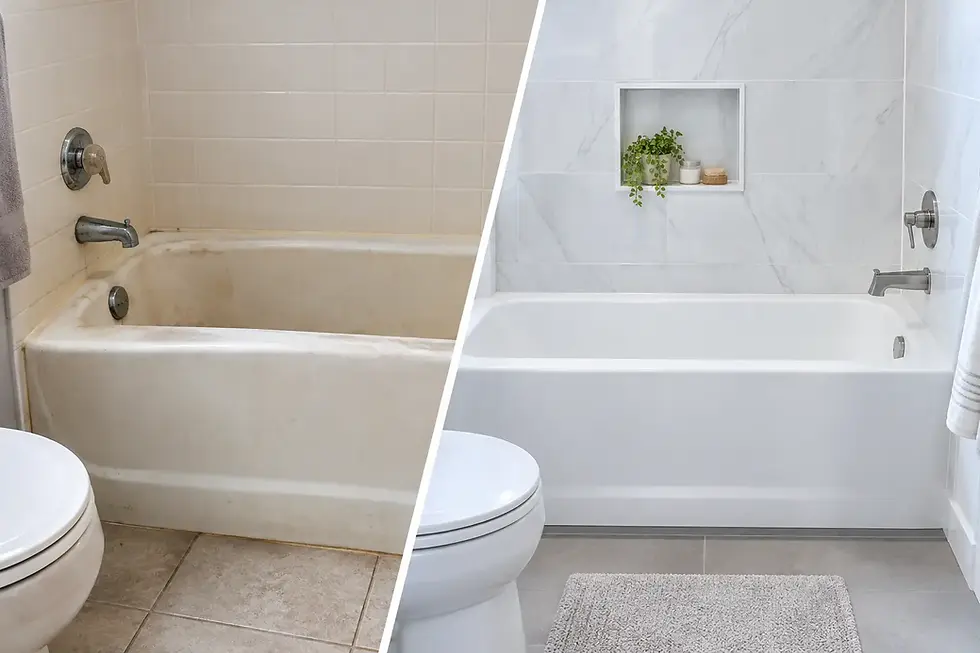
A practical conversion does not have to look basic. A crisp white wall system, modern fixtures, a clean shower pan, and refreshed surrounding tile can make a bathroom feel dramatically newer without turning it into a full reconstruction project.
Accessibility features
For many households, the real value of a tub-to-shower conversion is safer entry and easier daily use. A low-threshold or curbless shower can reduce the need to step over a tall tub wall, which is especially helpful for older adults, people with limited mobility, and anyone planning to age in place.
Grab bars, built-in or fold-down seating, handheld showerheads, non-slip flooring, and wider shower entries may add to the initial cost. However, these features can make the bathroom more comfortable now and more practical for years to come. When accessibility is the priority, investing in the right layout is usually more valuable than spending on decorative extras.
Doors and glass
A shower curtain and rod are the most budget-friendly enclosure. Sliding glass doors typically cost more, while frameless glass doors create a high-end appearance at a higher price point. The right choice depends on available space, cleaning preferences, and the overall condition of the bathroom.
Glass can make a small bath feel more open, but it does require regular cleaning to prevent water spots and soap buildup. For landlords or homeowners seeking the simplest upkeep, a durable curtain setup or framed door may be the better fit.
Budget Options for a Bath-to-Shower Conversion
A lower-cost project generally focuses on function: a standard shower base, easy-care wall panels, existing plumbing, and simple fixtures. This approach can still deliver a major visual improvement, particularly when outdated tile, grout, or a worn tub finish is refreshed at the same time.
A mid-range conversion may include upgraded fixtures, a low-threshold base, a better wall surround, a niche for toiletries, and a glass enclosure. This is often the sweet spot for homeowners preparing a property for sale or improving a primary bathroom without taking on a full renovation.
At the higher end, custom tile, frameless glass, layout changes, luxury fixtures, specialty drains, and accessibility construction can create a truly tailored shower. The result can be beautiful, but it is also more time-intensive and more dependent on what is found behind the existing walls.
Can Refinishing Help Lower Conversion Costs?
Yes, in the right situation. Not every bathroom needs to be stripped down to the studs to look clean and current. If surrounding tile, cabinetry, countertops, or other surfaces are structurally sound but worn, refinishing can improve their appearance for a fraction of replacement costs.
For example, tile reglazing can help eliminate the look of discoloration and age around a new shower area. Regrouting can improve hygiene and give tile lines a cleaner appearance. Cabinet and countertop refinishing can pull the room together, making the shower conversion look like part of a complete update rather than an isolated repair.
This approach is especially useful for property sellers, landlords, and value-conscious homeowners. Instead of paying for multiple replacements, you can focus the budget where it has the greatest impact: safety, water control, daily comfort, and visible cleanliness.
Costs That Are Easy to Miss
A quote should clearly explain what is included, because a low starting price does not always cover the work needed for a lasting installation. Ask whether the estimate accounts for demolition, hauling, plumbing adjustments, waterproofing, wall repair, disposal, fixture installation, and finish work.
It is also wise to ask how hidden damage is handled. No contractor can always see behind a tub or wall before work starts, especially in an older bathroom. A dependable professional should explain possible contingencies upfront instead of leaving you guessing after demolition begins.
Permits may be required when plumbing is moved or structural work is involved. Requirements vary by municipality, so this is another detail worth confirming before scheduling the project.
Is a Bath-to-Shower Conversion Worth It?
For many homeowners, yes. Replacing an unused or hard-to-access tub with a shower can make the bathroom easier to enter, easier to clean, and more appealing to modern buyers. It can also remove the visual weight of a stained, chipped, or outdated tub that makes the entire room feel neglected.
The trade-off is resale preference. A home with only one bathroom may benefit from keeping at least one tub, especially for households with young children. If there is another bathtub elsewhere in the home, converting a secondary or primary bath to a walk-in shower is often a practical choice.
The most worthwhile conversion is one that matches how you actually live. A well-planned shower that fits your space, budget, and mobility needs will usually provide more value than a costly renovation built around features you do not need.
A free, detailed estimate is the best way to replace guesswork with a realistic number. Whether your goal is safer access, a cleaner look, or a faster property refresh, start with the condition of your existing bathroom and choose improvements that make every day more comfortable.


Comments