


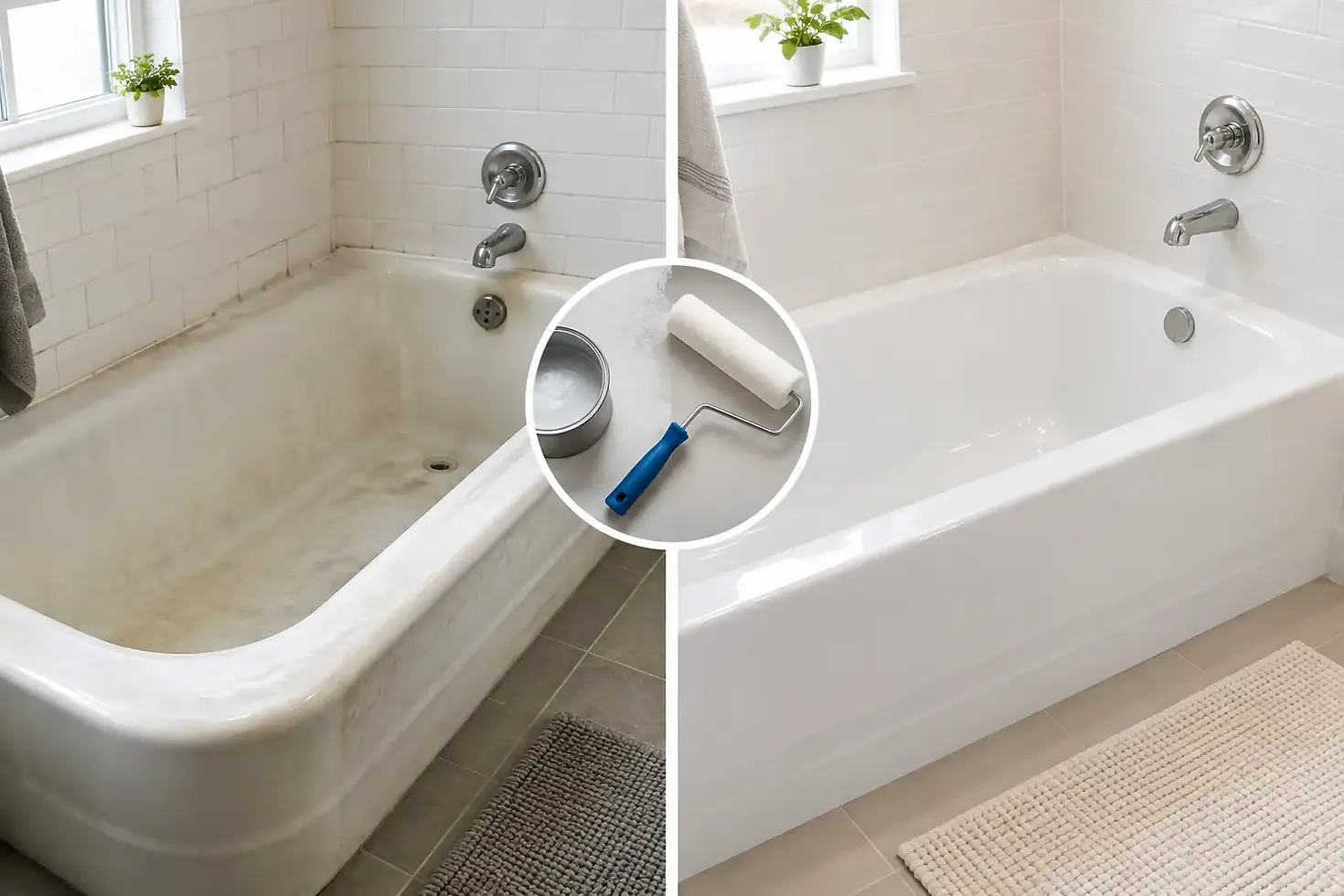
Tub Refinishing Versus Replacement Compared

A bathtub can make an entire bathroom feel dated even when the rest of the room is clean. Yellowing, scratches, rust stains, chips, and worn finishes are hard to ignore, especially when you are preparing to sell, welcoming tenants, or simply tired of a bathroom that never looks fully clean. When weighing tub refinishing versus replacement, the right answer depends less on the tub's age and more on its condition, your timeline, and how much disruption your home can handle.
For many homeowners and property owners in New Jersey, Pennsylvania, Maryland, and New York, refinishing provides the fresh, bright look they want without turning a bathroom update into a demolition project. Replacement still has a place, but it is not automatically the better investment.
Tub Refinishing Versus Replacement: The Real Difference
Tub refinishing, also called reglazing, restores the visible surface of an existing bathtub. A trained professional repairs minor chips and cracks, prepares the surface, and applies a durable new coating. The result is a smooth, clean-looking tub that can dramatically improve the appearance of the room while preserving the fixture already in place.
Replacement means removing the existing tub and installing a new one. That process can involve disconnecting plumbing, opening walls, removing surrounding tile, repairing subflooring, and replacing materials affected by the work. A simple tub swap can quickly become a larger bathroom renovation once hidden issues are exposed.
The key distinction is simple: refinishing renews a structurally sound tub, while replacement starts over. If the tub is stable and the damage is mainly cosmetic, starting over may add expense and downtime without adding meaningful value.
When Refinishing Is the Smarter Choice
Refinishing is often the practical option when the bathtub has surface-level wear but remains solid. Common candidates include porcelain, fiberglass, acrylic, and cast-iron tubs with discoloration, dullness, small chips, light rust, scratches, or an outdated color. An older cast-iron tub in particular may be worth saving. These fixtures are often heavier and more durable than many modern replacements.
The biggest benefit is speed. A professional reglazing project generally avoids the mess associated with ripping out a tub and rebuilding the surrounding area. There is no need to haul a large fixture through your home, tear into walls, or create a long list of follow-up repairs. That makes refinishing especially helpful for occupied homes, rental turnovers, and sellers who need visible improvement before listing.
Cost matters too. Replacing a tub includes more than the price of the new fixture. Homeowners should account for removal, disposal, labor, plumbing adjustments, wall repair, tile work, waterproofing, and finishing work. Refinishing is typically far more affordable because it works with what is already there.
It also supports a cleaner property refresh. Keeping a usable tub out of a landfill reduces waste, and restoring the fixture can make the entire bathroom feel more hygienic. A new finish helps cover stubborn stains and worn areas that can make cleaning feel like a losing battle.
Refinishing works best when the tub is:
Structurally stable, with no major movement or soft spots
Chipped, scratched, stained, dull, or showing minor surface rust
An outdated color that clashes with the rest of the bathroom
Part of a bathroom that needs a quick visual upgrade
Located in a rental, resale property, or busy household where downtime matters
Professional preparation is what separates a lasting refresh from a temporary-looking coating. Proper cleaning, repair, surface preparation, and controlled application are essential for a finish that looks smooth and holds up to normal daily use.
When Bathtub Replacement Makes More Sense
Replacement is the better route when the tub itself has failed or when your household needs a different layout. A bathtub with severe structural damage, major leaks beneath the fixture, extensive deterioration, or a compromised floor area may not be a good refinishing candidate. A fresh surface cannot solve a plumbing leak or a tub that is no longer safely supported.
Replacement may also make sense during a full bathroom remodel. If you are moving plumbing, changing the room layout, expanding the shower area, or replacing all wall tile anyway, installing a new fixture can fit naturally into that scope of work. In that situation, the demolition is already planned, so the additional disruption is less of a deciding factor.
Accessibility is another reason to choose a different solution. For older adults or anyone concerned about stepping over a high tub wall, a tub-to-shower conversion can improve daily safety and convenience. A low-threshold shower is often easier to enter, easier to clean, and better suited to long-term aging-in-place plans.
Replacement is not wrong. It is simply a larger commitment that should be chosen for structural, layout, or accessibility reasons, not just because the tub looks worn.
Compare the Cost, Time, and Mess Before Deciding
The price difference between refinishing and replacement can be substantial, but cost should be viewed alongside time and disruption. Refinishing focuses on the existing fixture, so labor and materials stay more contained. Replacement can require several trades and uncover repairs that were not included in the original estimate.
Time is equally valuable. A reglazed tub can provide a dramatic before-and-after transformation without placing the whole bathroom out of commission for an extended renovation. Exact cure times and use instructions vary by project, but homeowners generally face far less downtime than they would with demolition, installation, tile repair, grout work, and final cleanup.
Then there is the mess. Removing an old bathtub is rarely a tidy project. Dust, debris, noise, disposal logistics, and potential damage to nearby finishes all need to be considered. In an apartment building, rental property, or a home with only one full bathroom, that disruption can create real stress.
Refinishing does not mean ignoring the rest of the bathroom. In fact, it often works best as part of a focused refresh. Reglazed wall tile, fresh grout, updated hardware, a new vanity color, or interior paint can make an aging bathroom look coordinated and cared for without the cost of a full tear-out.
Questions to Ask Before You Commit
Start by looking past the color and stains. Does the tub feel solid underfoot? Are there signs of water damage around the base, behind the walls, or on the ceiling below? Is the drain functioning properly? If the fixture is sound, refinishing may give you the result you want. If there are leaks or structural concerns, address those first.
Next, consider the purpose of the update. A homeowner preparing to sell may want the strongest visual improvement for a controlled budget. A landlord may need a durable, clean turnaround between tenants. A family may need a bathroom that is easier to maintain without being unusable for weeks. Those needs often point toward professional refinishing.
Finally, think about the future. If you plan a complete remodel within a few years, refinishing can be a smart bridge that improves the bathroom now. If you are redesigning the space for accessibility or changing the plumbing layout, replacement or a tub-to-shower conversion may better serve your long-term plans.
Protect Your Refinished Tub
A professionally refinished tub should be treated with reasonable care. Use nonabrasive cleaners, avoid harsh scouring powders and scratchy pads, and repair dripping faucets promptly so water does not sit on the surface. Bath mats with suction cups can damage a refinished coating, so choose a non-suction option if you need added traction.
These simple habits help preserve the finish and keep the tub looking bright. They also make everyday cleaning easier, which is one of the most immediate benefits of restoring a worn bathtub.
A tired tub does not always need to be torn out to look brand new. If your fixture is sound and your goal is a cleaner, more updated bathroom with less cost and disruption, a professional assessment can show you whether refinishing is the practical next step. Majestic Bathtub & Tile Reglazing can help homeowners and property owners choose a restoration solution that fits the condition of the space, the budget, and the timeline.


Comments