


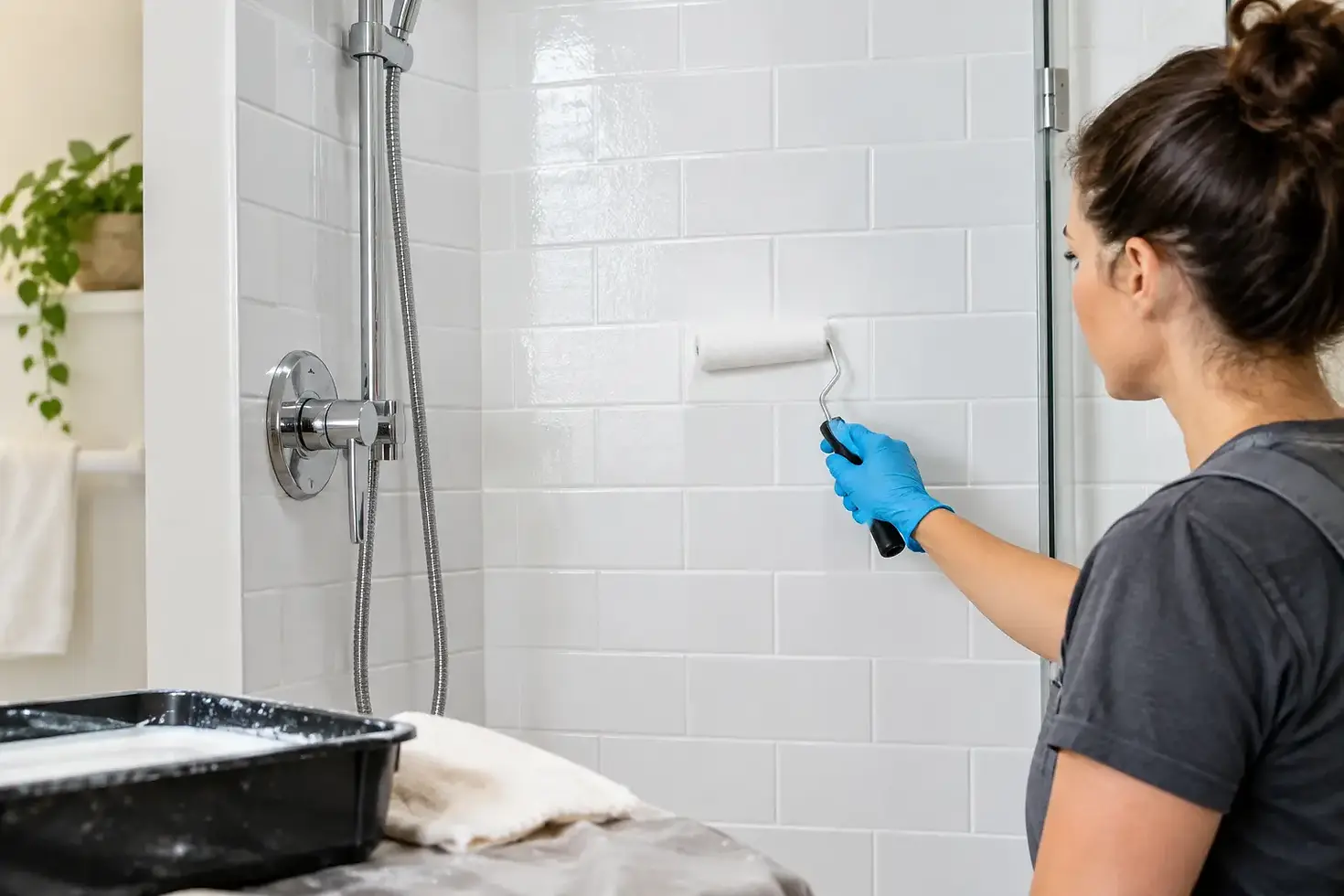
How to Resurface Shower Tile Without Replacing It

A shower can look permanently worn long before it actually needs to be torn out. Dull tile, stubborn discoloration, dated colors, and stained grout can make the entire bathroom feel less clean and less valuable. Learning how to resurface shower tile helps homeowners see a practical alternative to demolition: restore the surface you already have and give the room a fresh, updated appearance.
For many homes across New Jersey, Pennsylvania, Maryland, and New York, tile resurfacing is a smart answer when the shower structure is still sound but the finish has seen better days. It can reduce renovation costs, limit the mess of construction, and make an aging bathroom look dramatically brighter in far less time than a full tile replacement.
What It Means to Resurface Shower Tile
Resurfacing shower tile, also called tile reglazing or refinishing, is the process of renewing the visible finish of existing ceramic, porcelain, or similar tile. Rather than removing tile from the walls, a refinishing professional prepares the surface, repairs minor flaws, applies a specialized bonding system, and sprays a durable new coating over the tile and, in many cases, the grout lines.
The result is a clean, uniform finish that can make mismatched, stained, or outdated tile look new again. White is a popular choice because it immediately makes a shower feel cleaner and more open, but other color options may be available depending on the desired look and the surface being refinished.
This is not the same as painting bathroom tile with a basic store-bought paint kit. A shower is a high-moisture environment that experiences daily water exposure, temperature changes, soap residue, and cleaning products. Lasting results depend on thorough preparation, the right coating materials, controlled application, and proper curing time.
When Shower Tile Resurfacing Is the Right Choice
Tile refinishing works best when the shower walls are stable and the existing tile is firmly attached. Surface-level problems are ideal candidates: fading, stains, old-fashioned color, light scratches, minor chips, rough texture, and grout that never seems to look clean no matter how much scrubbing it receives.
It is especially useful for homeowners preparing to sell, landlords refreshing a rental between tenants, or families who want a better-looking bathroom without putting the room out of service for a lengthy remodel. Instead of paying for demolition, disposal, new tile, waterproofing work, installation, and cleanup, resurfacing preserves the material that is already in place.
There are limits. Reglazing cannot solve underlying water damage or structural failure. If tiles are loose, the wall behind them feels soft, there is active mold growth caused by a leak, or grout is deeply cracked and allowing water behind the tile, those issues need to be repaired first. Refinishing a compromised shower may improve the appearance temporarily, but it will not stop moisture from damaging the wall system.
A professional evaluation helps determine whether your shower needs repair, regrouting, refinishing, or full replacement. In many cases, what looks like a renovation emergency is simply an old surface that needs the right restoration process.
How to Resurface Shower Tile for Lasting Results
A quality resurfacing job is built on preparation. The visible coating gets the attention, but the work that happens before spraying makes the difference between a finish that holds up and one that peels early.
Start with a careful condition check
Before any refinishing begins, inspect the shower for loose tiles, cracks that run through multiple tiles, missing grout, signs of leaks, and damaged caulk around corners and fixtures. Small chips and cosmetic cracks can often be repaired. Large movement cracks or water-related damage need to be addressed before resurfacing.
This is also the time to decide whether the shower needs regrouting. Fresh grout can be the right solution when the tile itself still looks good. But when both tile and grout are stained, mismatched, or dated, refinishing the full surface creates a more consistent transformation.
Remove buildup and prepare the surface
Shower walls collect layers of soap scum, hard-water minerals, body oils, mildew residue, and old cleaning products. These contaminants can interfere with adhesion, so the tile must be professionally cleaned and prepared.
The surface is then lightly etched or abraded as needed to create the proper profile for bonding. Fixtures, drains, glass, flooring, and surrounding areas must be masked carefully. A professional setup protects the rest of the bathroom while keeping dust, overspray, and disruption to a minimum.
Repair chips, cracks, and problem areas
Minor chips, scratches, and small flaws are filled and leveled before coating. This step is one reason refinishing can improve hygiene as well as appearance. Cracks and rough areas can trap soap residue, moisture, and grime, making the shower harder to clean.
Once those flaws are repaired, the surface is ready for the bonding and finishing process. The goal is not to hide every issue under a coat of paint. It is to create a smooth foundation that supports a durable, even finish.
Apply a professional-grade coating
After preparation, a specialized coating system is applied in controlled layers. The coating is designed to bond to the prepared tile and create a smooth, refreshed surface. Proper ventilation and application conditions matter, which is why this work is typically best handled by experienced refinishing professionals rather than attempted as a weekend project.
A well-applied finish can unify old tile and grout lines, cover stubborn discoloration, and replace an outdated color with a brighter, cleaner-looking surface. The visual difference can be striking, especially in small bathrooms where shower walls take up much of the room.
Allow full curing time
The shower should remain dry and unused until the new finish has cured according to the refinisher's instructions. Rushing this stage is one of the fastest ways to damage a newly restored surface. Even if the shower looks finished, the coating needs time to develop the strength required for daily use.
Once cured, the shower can return to service with a noticeably cleaner and more modern appearance, without the cost and debris of tearing out the original tile.
Why Refinishing Often Beats Replacement
Tile replacement has its place, particularly when the shower has failed waterproofing, extensive damage, or a layout that no longer works for the household. But replacing tile is rarely a simple cosmetic project. Removing old walls can expose hidden issues, create dust throughout the home, and increase labor, material, and disposal costs quickly.
Resurfacing is often the better value when the shower is structurally sound. It keeps usable material out of landfills, avoids demolition-heavy renovation, and helps homeowners achieve a visible improvement on a more manageable budget. For rental owners and sellers, it can also provide the polished appearance that helps a bathroom make a better first impression.
The choice depends on the condition of the shower and your long-term plans. If you want to change the footprint, add accessibility features, move plumbing, or convert a tub to a shower, replacement or conversion work may be necessary. If your goal is to make existing tile look clean, current, and cared for, refinishing is often the faster path.
How to Care for Resurfaced Shower Tile
A refinished shower is easy to maintain, but it benefits from gentle care. Use a nonabrasive cleaner and a soft sponge or cloth. Avoid scouring powders, harsh acids, steel wool, and rough scrub pads, which can dull or scratch the finish over time.
Wiping down the shower after use reduces soap buildup and hard-water spotting. Keep the bathroom ventilated, repair leaking faucets promptly, and maintain caulk around the shower edges so water does not work its way behind the walls. These simple habits help protect both the finish and the structure behind it.
If you see a chip or damage after resurfacing, address it early rather than letting moisture reach the underlying material. Small repairs are usually easier and less expensive than waiting for a minor flaw to become a larger problem.
Give an Old Shower a Fresh Start
An outdated shower does not always need a full renovation to look clean, bright, and inviting again. Majestic Bathtub & Tile Reglazing helps restore worn bathroom surfaces with a practical approach that saves time, reduces mess, and delivers a dramatic before-and-after difference.
If your tile is stable but tired, a professional assessment can show you whether resurfacing is the right next step. A refreshed shower may be closer than you think - and it can make the entire bathroom feel ready for a new chapter.


Comments