


Tile Regrouting vs Retile Cost for Your Bathroom

A bathroom can look tired long before its tile has truly failed. Darkened grout lines, mildew stains, cracks, and missing sections make even a clean room feel outdated. When comparing tile regrouting vs retile cost, the right choice often comes down to one question: Is the tile itself still in good condition?
For many homeowners, landlords, and sellers in the Northeast, regrouting is the practical way to refresh a bathroom without turning a small repair into a demolition project. But it is not the answer for every shower, tub surround, or bathroom floor. Knowing what each option actually includes helps you spend where it matters and avoid paying for work your bathroom does not need.
Tile Regrouting vs Retile Cost: The Big Difference
Regrouting means removing deteriorated grout from between existing tiles and replacing it with fresh grout. The tile stays in place. A professional may also address minor grout cracking, clean stained joints, and apply a sealer when appropriate. The result is cleaner-looking tile, improved hygiene, and a more finished appearance without removing the wall or floor surface.
Retiling is a larger renovation. Existing tile is demolished and removed, the substrate is inspected or rebuilt, and new tile is installed. In wet areas, proper waterproofing may be required before the new tile goes up. That is why retile cost is not just about the price of new tile. It also includes labor, disposal, prep work, installation materials, and the possibility of uncovering water damage behind the old surface.
In general, professional regrouting for a typical bathroom or shower may cost hundreds to low thousands of dollars, depending on the size of the area, grout condition, access, and cleaning required. A full retile project often begins in the several-thousand-dollar range and can climb significantly when demolition, waterproofing, plumbing adjustments, or damaged backing materials are involved.
The gap is not small because the finished look is different. It is small or large because the scope of work is different.
When Regrouting Delivers the Better Value
Regrouting is usually the smarter investment when tiles are firmly attached, largely intact, and still fit the style of the bathroom. If the color and shape of the tile work for your home but the grout is stained, porous, missing, or cracking, restoring those joints can make the entire surface look cleaner and newer.
This option is especially appealing when you need visible results without a long renovation. A regrouting project creates far less mess than removing tile, produces less construction waste, and usually keeps a bathroom out of service for less time. For occupied homes, rental properties, and homes being prepared for sale, that convenience can be as valuable as the lower price.
Fresh grout can also improve daily cleaning. Old, damaged grout tends to hold moisture, soap residue, and discoloration. Replacing failing grout helps create a more sanitary-looking surface and closes gaps that can allow water to work behind tile.
Regrouting is not a cover-up when the tile assembly is sound. It is targeted maintenance that extends the useful life of an existing surface.
Signs Your Tile May Be a Good Candidate
Look closely at the tile rather than focusing only on the grout lines. Regrouting may be appropriate when the tile is solid under light pressure, there are only a few minor chips, and no widespread cracking is visible. The wall or floor should also feel stable, not soft or spongy.
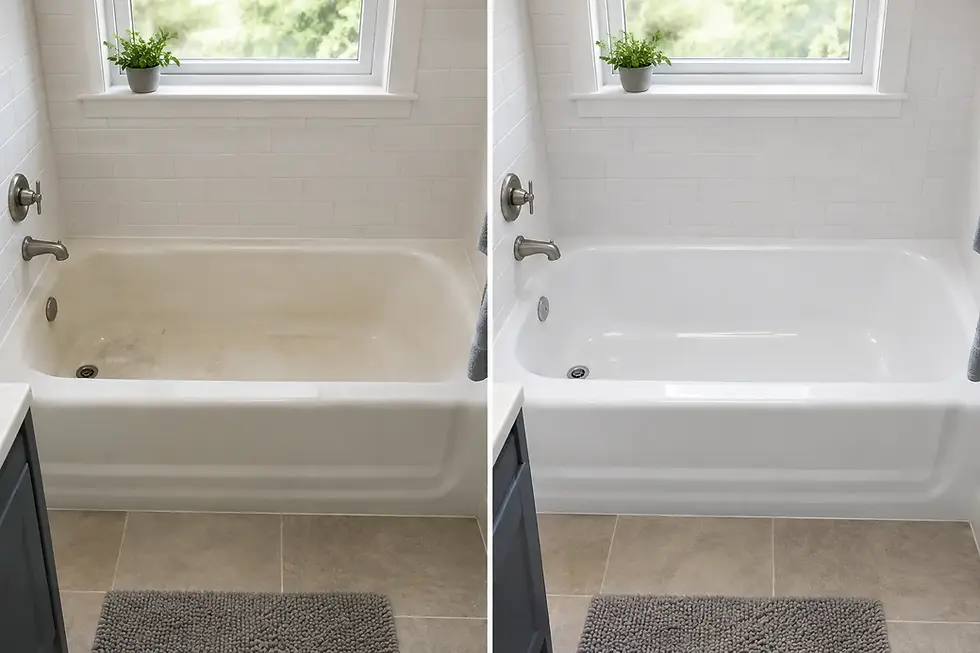
A bathroom with cosmetic grout problems can often be transformed without replacement. Pairing regrouting with tile reglazing can be an even stronger option when dated tile color is the issue. This approach preserves the existing surface while giving the room a brighter, more modern appearance.
When Retiling Is Worth the Higher Cost
Retiling is the better decision when the problem goes beyond the grout. Loose tiles, repeated cracks, soft walls, water staining, mold concerns behind tile, or signs of a failed shower system can point to damage that needs a more complete repair.
If tiles move when pressed, sound hollow across a large area, or keep coming loose after repairs, new grout will not solve the underlying issue. The same is true when water has penetrated behind the tile and damaged the wallboard, subfloor, or framing. In those cases, removing the tile may be necessary to correct the source of the problem before it gets worse.
Retiling can also make sense when you are changing the bathroom layout. Moving a shower valve, widening a shower, adding a niche, or converting a tub to a more accessible shower often requires more substantial construction. Homeowners who want a completely different tile format or design may also decide the long-term value of replacement justifies the expense.
The key is not to replace tile merely because the grout looks worn. A full retile should solve a structural, waterproofing, layout, or design need that restoration cannot reasonably address.
Costs That Can Change the Final Price
Two bathrooms with the same square footage can receive very different estimates. The condition behind the tile is one of the biggest variables. A straightforward regrouting job on accessible wall tile is much different from restoring heavily stained grout in a busy shower with extensive soap buildup and failing caulk.
For a retile project, demolition is only the beginning. Old tile must be removed and disposed of. The installer may need to repair the substrate, add waterproofing, replace backer board, level the floor, or coordinate plumbing work. Custom tile patterns, specialty materials, and difficult access can increase labor costs as well.
Homeowners should also consider downtime. Regrouting is generally a shorter project with less disruption to the home. Retiling can put a bathroom out of use for days or longer, particularly if repairs are discovered after demolition. If you have one main bathroom, that disruption deserves a place in the budget conversation.
Do Not Compare Estimates by Price Alone
A low number is not always a lower cost. Ask what the service includes and what condition the existing surface must be in for that estimate to apply. For regrouting, find out whether old failing grout will be properly removed, how cracks and missing sections will be handled, and whether caulked areas are part of the work.
For retile estimates, ask about demolition, disposal, waterproofing, subfloor or wall repairs, grout, sealing, and any possible plumbing work. It is also wise to ask how unexpected moisture damage will be handled if it is found after tile removal.
The goal is a clear scope of work, not just a number at the bottom of the page. A professional evaluation can tell you whether the existing tile can be restored safely and attractively or whether replacement is the responsible route.
A Practical Choice for Homes and Rentals
For landlords, regrouting can improve the appearance and cleanliness of a unit between tenants without the expense and vacancy time of a full renovation. For sellers, fresh grout can help a bathroom photograph better and feel cared for during showings. For homeowners, it can restore pride in a room that has become difficult to clean or embarrassing to guests.
Retiling has its place, particularly in bathrooms with active damage or major design goals. Still, many aging bathrooms need restoration, not reconstruction. Keeping sound tile in place reduces demolition, keeps materials out of the landfill, and makes a noticeable visual difference at a more manageable cost.
Before committing to replacement, have the tile, grout, caulk, and surrounding surfaces assessed together. If the foundation is sound, a professional regrouting service may be the clean, cost-effective refresh that gives your bathroom the brand-new look you want without the disruption you do not.


Comments