


Shower Conversion for Aging Homeowners at Home

The bathroom can become one of the most frustrating rooms in the house when a high tub wall, slippery floor, or cramped layout turns a daily shower into a balancing act. A shower conversion for aging homeowners replaces that difficult step-over entry with a more accessible bathing space, helping households stay comfortable in the home they know and love.
For many homeowners, this is not about making a bathroom look clinical or giving up on style. It is about removing a daily obstacle before it becomes a safety concern. A well-planned tub-to-shower conversion can make the room easier to use, easier to clean, and far more inviting without the demolition, cost, and downtime of a complete bathroom remodel.
Why an Aging Bathroom Can Create Daily Risks
Traditional bathtub and shower combinations were designed around bathing habits that do not always work well as mobility changes. Stepping over a high tub apron requires balance, leg strength, and a secure footing. Add soap residue, wet tile, poor lighting, or a loose bath mat, and even a familiar bathroom can become a fall risk.
Aging homeowners do not need to wait for an injury to make a change. If getting in and out of the tub has started to feel uncomfortable, if someone relies on a wall or towel bar for support, or if the tub is no longer being used for baths, a shower conversion may be the practical next step.
The goal is simple: create a bathing area that works better now while supporting the ability to remain at home longer. This type of update can also provide peace of mind for adult children, visiting family members, and caregivers.
What a Shower Conversion for Aging Homeowners Changes
A tub-to-shower conversion removes the bathtub and creates a dedicated shower area in its place. Depending on the existing bathroom, the new shower can have a low threshold or a nearly barrier-free entry, making it much easier to enter than a standard tub.
The most noticeable improvement is usually access. Rather than lifting a leg over a tall tub wall, the homeowner steps into a shower with a lower entry. That difference may sound small, but it can make a major difference during an everyday routine.
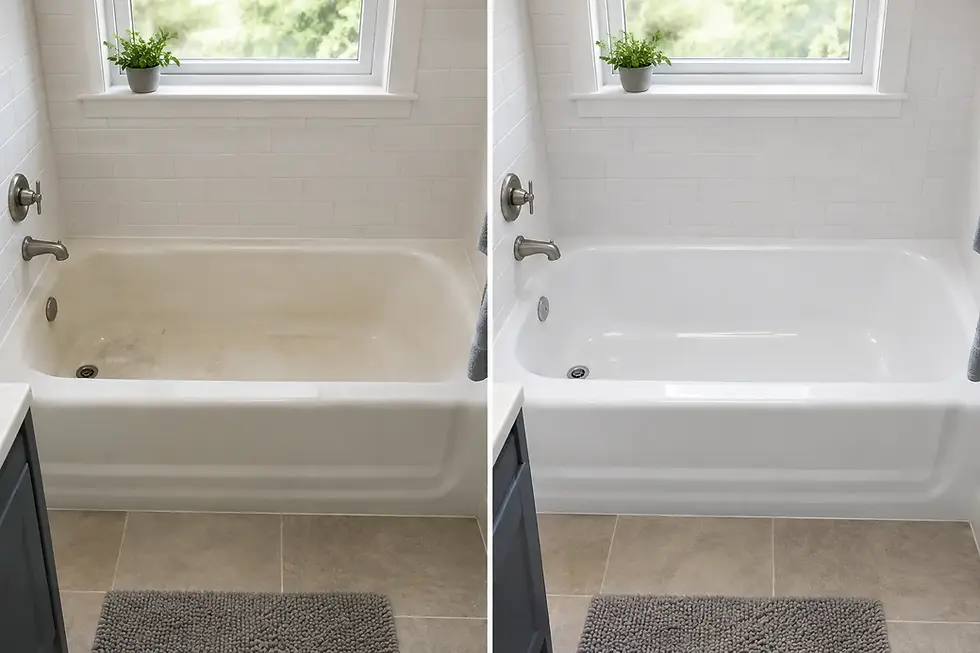
A conversion also gives homeowners the chance to address surfaces that have become difficult to maintain. Chipped tubs, stained tile, cracked grout, and worn finishes do more than make a bathroom look dated. They can hold moisture and grime, making cleaning harder and reducing the feeling of comfort in the room. Restored or refinished surfaces can help bring back a clean, bright appearance without automatically requiring a full replacement project.
Safety Features Worth Considering
The right shower is not one-size-fits-all. Some homeowners need a simple lower entry and a fresh new finish. Others benefit from added support and more room to move. The best choices depend on current mobility, the size of the bathroom, and whether the home is being updated for long-term aging in place.
Several features are especially useful when planning a safer shower:
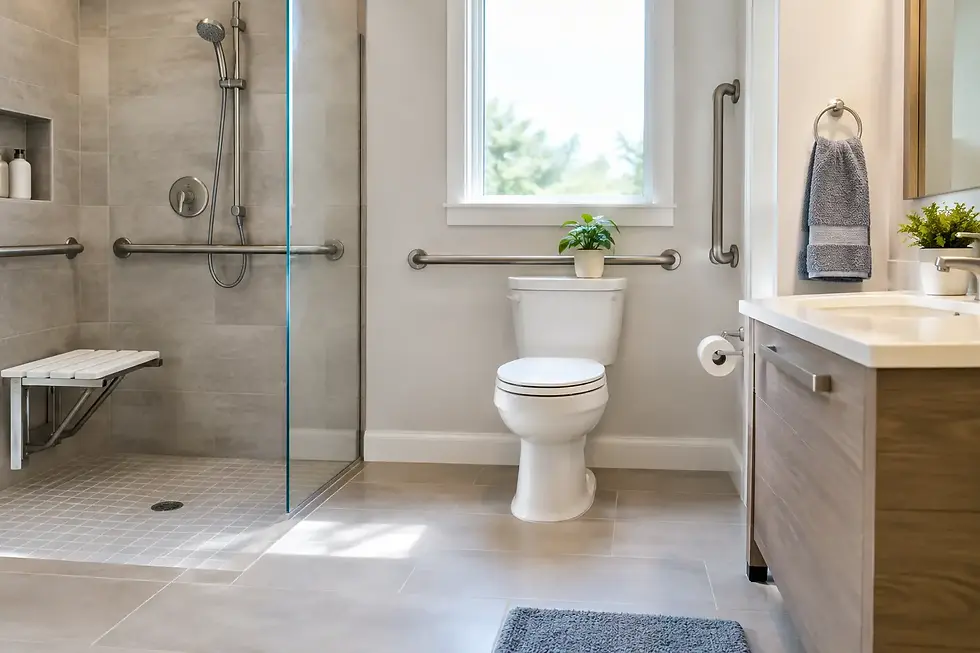
A low-threshold or barrier-free entry reduces the need to lift a foot over a tall tub wall.
Slip-resistant shower flooring provides more secure footing when the surface is wet.
Properly installed grab bars offer dependable support while entering, standing, and turning.
A built-in or wall-mounted shower seat can make bathing more comfortable for anyone who cannot stand for long periods.
A handheld showerhead makes it easier to rinse while seated and helps simplify cleaning.
Brighter, well-placed lighting improves visibility around the shower entrance and controls.
Grab bars deserve special attention. Towel bars and shower doors are not designed to support body weight. If support is needed, it should come from a professionally installed grab bar secured correctly to the wall structure.
A shower seat is another feature that often gets overlooked until it is needed. A built-in seat takes up some shower space, so it may not suit every compact bathroom. In a larger shower, however, it can provide everyday comfort without making the room feel institutional.
Accessibility Should Still Look Like Home
Homeowners sometimes hesitate because they picture accessibility upgrades as plain, oversized, or medical-looking. A modern shower conversion does not have to feel that way. Clean wall finishes, coordinated fixtures, updated tile, and a bright refinished surface can create a bathroom that feels refreshed rather than altered for a limitation.
This is where surface restoration can be especially valuable. If the surrounding tile is structurally sound but stained, faded, or dated in color, reglazing can help restore its appearance while avoiding unnecessary tear-out. Regrouting can also improve the look and cleanliness of tiled areas when the grout has become discolored or worn.
The result can be both practical and attractive: a bathroom with safer access, a cleaner-looking shower area, and finishes that fit the rest of the home. For homeowners planning to stay put, that balance matters. For sellers and landlords, it can also make an older bathroom more appealing to a broader range of buyers and renters.
Conversion, Refinishing, or Full Replacement?
Not every worn bathroom needs the same solution. A bathroom with a solid tub that is simply chipped, dull, or stained may be a strong candidate for bathtub reglazing. Refinishing can restore the look of the existing fixture at a lower cost and with less disruption than replacement.
But if the tub wall itself has become the problem, refinishing alone will not improve accessibility. In that case, converting the tub to a shower is usually the more meaningful improvement. The decision comes down to how the bathroom is being used and what the homeowner needs from it going forward.
A full bathroom remodel may make sense when there are major plumbing problems, water damage behind walls, a failing layout, or extensive structural repairs needed. Yet many homeowners do not need to rebuild the entire room to get a safer, cleaner, more functional bathing space. A targeted conversion paired with refinishing or tile restoration can deliver a visible transformation while keeping the project focused.
Planning the Project Before Work Begins
Start by looking honestly at the current routine. Does the homeowner still take baths, or is the tub only used for showering? Is there enough turning room in the bathroom? Would a shower seat make the space more useful, or would it make the shower feel too tight? These answers shape the right design.
It is also smart to consider the people who may use the bathroom in the future. A lower-entry shower can help a homeowner with changing mobility, but it can also make the room easier for guests, family members, and anyone recovering from surgery or an injury. Planning for flexibility can help prevent another renovation later.
Surface condition should be evaluated before choosing finishes. Small chips, worn color, and staining can often be addressed through professional repair and reglazing. Deep cracks, loose tile, active leaks, or water-damaged walls need a closer inspection because cosmetic work should never cover an underlying moisture problem.
Homeowners in New Jersey, Pennsylvania, Maryland, and New York often appreciate the value of minimizing renovation disruption, especially in homes with one primary bathroom. Majestic Bathtub & Tile Reglazing helps homeowners refresh worn bathroom surfaces and explore practical tub-to-shower conversion options that can reduce the mess and expense associated with a full tear-out.
A Cleaner Bathroom Is Easier to Live With
Accessibility is a major reason to convert a tub, but maintenance matters too. A streamlined shower with updated surfaces is easier to wipe down than a heavily worn tub surround with cracked grout lines and damaged finishes. Fewer problem areas can mean less scrubbing and a bathroom that feels cleaner day after day.
Choose finishes based on real maintenance needs, not just a showroom look. Light colors can make a small bathroom feel open, while textured, slip-resistant flooring can offer better traction. Smooth, well-maintained wall surfaces are easier to clean, but they should be paired with safe flooring and reliable support features.
The most successful projects bring those decisions together. They do not just replace a tub. They remove a barrier, improve the condition of the room, and create a space that feels comfortable to use every morning.
A bathroom should support independence, not test it. If the current tub has become difficult to step into or the room no longer feels safe, a thoughtfully planned shower conversion can be a practical investment in comfort, confidence, and the ability to enjoy home for years to come.

Comments