


Can Cracked Tubs Be Repaired? What to Know

A bathtub crack can make an otherwise usable bathroom feel worn out overnight. It catches dirt, looks unsanitary, and leaves homeowners wondering: can cracked tubs be repaired without tearing out the entire fixture? In many cases, yes. The right professional repair can stabilize the damage, restore a smooth finish, and give the tub a clean, renewed appearance without the cost, mess, and downtime of replacement.
The key is understanding what caused the crack and whether the tub is still structurally sound. A small surface crack is very different from a deep split that flexes underfoot or allows water to reach the area behind the wall.
Can Cracked Tubs Be Repaired Without Replacement?
Many cracked tubs can be repaired, especially acrylic, fiberglass, and certain porcelain or enamel-coated fixtures with localized damage. Professional bathtub repair typically addresses the crack itself before refinishing the surrounding surface so the repair blends in and the tub looks consistent again.
For homeowners, landlords, and sellers, this can be a practical alternative to replacement. Removing a bathtub often means disconnecting plumbing, opening walls or flooring, replacing tile, hauling away heavy materials, and managing a bathroom that may be out of service for days. Repairing and reglazing an existing tub avoids much of that disruption while still delivering a visible transformation.
That said, repair is not the right answer for every tub. If the fixture has extensive structural failure, widespread soft spots, severe corrosion, or water damage behind it, replacement may be the safer long-term choice. An experienced refinishing professional should inspect the problem before recommending a solution.
What Type of Crack Is in Your Bathtub?
Not every line in a tub is a true crack. Some are scratches, worn finish areas, or fine surface fractures in an old coating. These cosmetic issues may not threaten the fixture, but they still make cleaning harder and can make the bathroom look neglected.
A hairline crack may be limited to the tub's finish. It is often most noticeable around the drain, along the bottom, or near the edge where cleaning products and years of use have worn down the surface. With proper preparation, repair, and reglazing, these areas can often be restored to a smooth, glossy finish.
A deeper crack needs more attention. Fiberglass and acrylic tubs can crack when the base is not adequately supported, when a heavy object is dropped, or when the material flexes repeatedly. If the crack moves when you press near it, feels sharp, appears to widen, or has staining around it, it may be more than a cosmetic concern.
Porcelain and cast-iron tubs often develop chips, rust spots, or cracks in the enamel rather than fractures through the entire body of the tub. When the protective finish is damaged, moisture can reach the metal below and rust can spread. Early repair matters because a small chip is far easier to address than a corroded section that keeps expanding.
Why a Crack Should Not Be Ignored
A cracked tub is more than an appearance issue. Even a narrow opening can trap soap residue, mildew, and moisture, making the bathing surface harder to keep clean. In a rental property, that can lead to complaints about hygiene and a bathroom that appears poorly maintained. In a home being prepared for sale, it can become a glaring detail that makes buyers assume larger repairs are needed.
The greater risk is water intrusion. If water passes through a crack in a fiberglass or acrylic tub, it can damage the subfloor, framing, ceiling below, or wall materials over time. What begins as a straightforward surface repair can turn into a larger renovation if the leak is allowed to continue.
For that reason, avoid treating a suspected structural crack as a minor inconvenience. Limit use of the tub until it has been assessed, particularly if you see water below the bathroom, peeling paint on a ceiling, a soft floor, or dampness around the fixture.
How Professional Bathtub Crack Repair Works
A lasting repair is more than filling a visible line with a store-bought patch kit. The surface must be evaluated and prepared so the repair bonds correctly and holds up to regular bathing, cleaning, and temperature changes.
First, the damaged area is cleaned and inspected. Any loose material, old failed patching, rust, or weakened finish must be addressed. For fiberglass and acrylic tubs, the repair may involve reinforcing the damaged section, filling and shaping the crack, and sanding it until the surface is level. If the tub has movement due to poor support, that issue also needs attention. A beautiful repair will not last if the tub continues to flex every time someone steps in.
For porcelain, enamel, or cast-iron tubs, the process may include removing rust and stabilizing the damaged area before building the surface back up. Once the repair is cured and smoothed, reglazing can create a uniform finish across the tub rather than leaving an obvious spot repair.
The final result should feel smooth, look clean, and make the tub easier to maintain. This is why professional refinishing is especially valuable when damage is visible in a high-use area such as the tub floor, rim, or drain area.
Repair and Reglazing Work Best Together
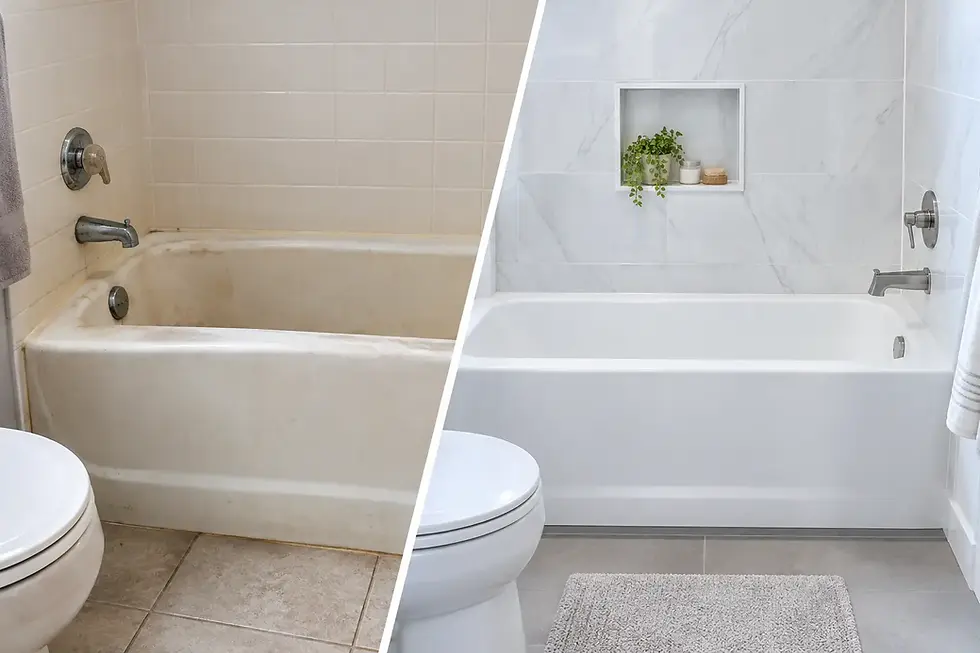
Crack repair solves the damaged area. Reglazing refreshes the complete surface. Combining the two is often the best option for an older tub with discoloration, dullness, chips, stains, or a dated color in addition to the crack.
A repaired area may be structurally sound but still stand out against an aged, faded finish. Reglazing helps create the consistent, like-new appearance homeowners want from a bathroom update. It can also make an older fixture feel cleaner and more inviting without removing it from the room.
This approach is particularly useful for Northeast homes with original bathrooms where the tub itself is still worth saving. Instead of coordinating demolition, tile work, plumbing, and a new fixture, homeowners can focus on restoring what they already have. Majestic Bathtub & Tile Reglazing helps property owners make that upgrade with far less disruption than a full tub replacement.
When Repair Is Not the Best Option
There are situations where replacement or a more extensive bathroom update makes better sense. A tub may not be a strong candidate for repair if it has multiple deep cracks, extensive movement across the base, serious rust-through, or evidence that water has already damaged surrounding materials.
Replacement may also be worth considering when accessibility is the larger issue. For an older adult or anyone who finds stepping over a high tub wall difficult, a tub-to-shower conversion can improve safety and everyday convenience. Repairing a cracked tub restores the fixture, but it does not change how the bathroom functions.
The decision comes down to the condition of the tub, the cause of the damage, your budget, and your plans for the property. A single repaired crack can be an excellent value. Repeated failures in a poorly supported tub may signal that it is time to invest in a different solution.
Should You Use a DIY Bathtub Crack Repair Kit?
DIY kits can be tempting because they promise a quick fix. For a tiny cosmetic chip, a temporary touch-up may improve the appearance for a short time. But deeper cracks and high-use bathtub surfaces are less forgiving. Poor adhesion, uneven sanding, color mismatch, and water exposure can cause a patch to fail quickly.
A DIY repair can also make professional restoration more complicated if the material lifts, yellows, or contaminates the surrounding surface. This is especially true when the crack is near the drain or on the tub floor, where standing water and daily weight put the repair under constant stress.
If the damage is more than a small surface blemish, a professional assessment is usually the better value. It gives you a clear answer about whether the tub can be restored safely and what work is needed to make the repair last.
Protecting a Repaired or Reglazed Tub
After repair and reglazing, gentle care helps protect the renewed finish. Use non-abrasive cleaners and soft sponges rather than scouring powders, steel wool, or harsh chemicals. Avoid leaving suction-cup mats attached to the tub surface, since they can pull on the finish and trap moisture.
Fix dripping faucets promptly, too. Constant water exposure and mineral buildup can dull a finish over time. With routine cleaning and sensible care, a professionally restored tub can continue to improve the appearance and usability of the bathroom for years.
A crack does not automatically mean your bathtub belongs in a landfill. When the fixture is sound and the damage is handled correctly, repair and reglazing can turn a tired, damaged tub back into a clean, polished centerpiece for the room.


Comments