


Are Refinished Tubs Safe? What Homeowners Need

A bathtub can look clean and still feel impossible to enjoy when its surface is chipped, stained, rough, or permanently dull. That is why homeowners often ask, are refinished tubs safe before choosing reglazing over replacement. The short answer is yes - a professionally refinished tub is safe for normal household use once it has been correctly applied and fully cured.
The key distinction is timing. Refinishing materials require careful handling during the work and a protected curing period afterward. Once the coating has cured according to the product and contractor requirements, it creates a smooth, sealed surface that is made to handle regular bathing, cleaning, and everyday bathroom use.
Are Refinished Tubs Safe After Reglazing?
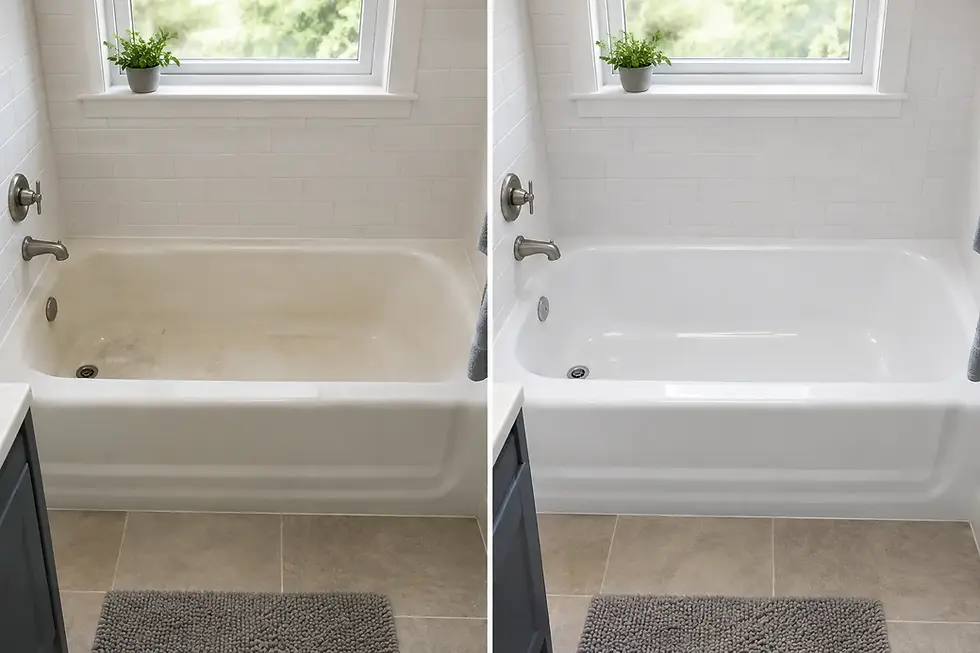
A properly reglazed bathtub is designed to restore the existing fixture, not simply cover up a problem. Professional refinishing begins with cleaning, repairs, surface preparation, and the application of a durable coating system. When those steps are handled correctly, the finished tub has a nonporous surface that is easier to clean and more pleasant to use than a worn, damaged original finish.
For homeowners, that means fewer rough spots that collect soap residue, fewer visible chips, and a brighter bathroom without the demolition, expense, and downtime of replacement. Reglazing can be an especially practical choice for cast iron, steel, and older fiberglass tubs that are structurally sound but cosmetically tired.
Safety depends on the condition of the fixture and the quality of the work. A refinished tub is a strong option when the tub itself is stable, drains properly, and does not have major structural cracks or extensive water damage behind it. If a tub flexes severely, has serious rust-through, or has hidden plumbing issues, repair or replacement may be the better path.
The Most Important Safety Factor: Proper Curing
The odor and fumes associated with bathtub reglazing are primarily a concern during application and while the coating is curing. Professional-grade coatings can contain strong chemicals, so the work area must be ventilated and isolated while the refinishing is underway.
A professional contractor should use appropriate ventilation, preparation methods, and safety equipment to keep the process controlled. Homeowners, children, pets, and anyone with respiratory sensitivities should stay out of the bathroom and follow the contractor's instructions about when it is safe to return.
After the job is completed, the tub needs time to cure. The exact timeframe can vary with the coating system, humidity, temperature, and site conditions. Using the tub too early can damage the fresh finish and may interfere with the curing process. Waiting until the stated cure time has passed is one of the simplest ways to protect both your household and your investment.
If you are pregnant, have asthma, chemical sensitivities, or have a family member with a respiratory condition, tell your refinishing professional before work begins. A dependable contractor can explain the process, help you plan around the service appointment, and provide clear instructions for re-entering and using the space.
Why Professional Application Matters
There is a major difference between professional reglazing and a quick DIY coating kit. Store-bought kits may seem convenient, but they often lack the surface preparation, durable materials, controlled application, and ventilation practices needed for a long-lasting result.
A bathtub finish can fail when the surface is not cleaned and prepared properly. Peeling, bubbling, or flaking coatings are not just frustrating to look at. They can create rough areas that hold dirt and make the tub harder to maintain. Professional refinishing addresses chips, cracks, stains, and worn areas before the final coating is applied, helping create a more uniform surface.
At Majestic Bathtub & Tile Reglazing, the goal is to give aging fixtures a clean, renewed appearance while helping homeowners avoid unnecessary replacement. A professionally restored tub can make the entire bathroom feel brighter and more hygienic, often in far less time than a full remodel.
Is a Refinished Tub Safe for Children and Older Adults?
Once fully cured, a professionally refinished tub is suitable for everyday household bathing. Still, every bathtub surface, whether original or refinished, can become slippery when wet. That is a practical bathroom safety issue, not a reason to avoid reglazing.
For young children, older adults, and anyone with limited mobility, use the same precautions you would with any tub: add a secure bath mat designed for wet areas, install properly mounted grab bars where appropriate, and keep shampoo, soap, and towels within easy reach. Avoid loose mats that shift underfoot.
In homes where stepping over a tub wall has become a concern, a tub-to-shower conversion may offer a better long-term accessibility solution. Reglazing is ideal for restoring a tub that still works for your household. A conversion may be the smarter choice when improving entry, reducing fall risk, and simplifying daily routines are the priority.
How Refinishing Can Improve Bathroom Hygiene
An old tub with chips, cracks, deep stains, or worn-away finish can be difficult to keep looking clean. Soap scum and grime tend to cling to uneven areas, and discoloration can make a freshly cleaned bathroom look neglected.
Refinishing helps by creating a smoother, sealed surface. It does not make cleaning unnecessary, but it can make routine care faster and more effective. With proper maintenance, your tub can retain its renewed appearance and support a cleaner-looking bathroom for years.
This is one reason refinishing is popular with landlords, sellers, and homeowners preparing a property for guests or the market. Instead of removing a functional fixture and dealing with demolition debris, they can restore the visual appeal of the existing tub and put the bathroom back into service quickly.
Simple Care Keeps a Refinished Tub in Good Condition
A refinished tub needs gentle, consistent care. The coating is durable, but harsh treatment can dull or damage the finish over time. Use a soft sponge or microfiber cloth with a nonabrasive cleaner, then rinse away residue after cleaning.
Avoid abrasive scouring pads, steel wool, harsh powders, and strong chemical drain cleaners left sitting in the tub. Do not use suction-cup bath mats on a refinished surface, since they can pull against the coating. If you need added traction, choose a non-suction option recommended for reglazed tubs.
It also helps to repair dripping faucets promptly. Constant water exposure and mineral buildup can wear on any bathroom surface. If you notice a new chip or damage, have it addressed early rather than allowing moisture to work beneath the finish.
When Refinishing May Not Be the Right Choice
Refinishing is a practical, cost-effective alternative to replacement, but it is not the answer for every tub. A professional assessment is worthwhile if you see severe rust, major structural cracking, ongoing leaks, loose flooring, or signs of water damage around the fixture.
It may also be time to consider a different solution if your household's needs have changed. A beautiful restored bathtub can improve a bathroom dramatically, but it cannot solve an access issue created by a high tub wall or an unsafe layout. In those cases, a tub-to-shower conversion can deliver a more comfortable and accessible space.
For a sound but worn bathtub, professional refinishing offers a sensible middle ground: less disruption than replacement, less waste sent to the landfill, and a visible transformation that makes the bathroom feel cared for again. The safest choice is to work with a qualified professional, respect the curing period, and care for the new finish with the same attention you would give any newly updated surface.


Comments