


Aging in Place Bathroom Trends That Work

A slippery tub wall, a narrow entry, or chipped floor tile can turn an ordinary morning routine into a daily concern. The most useful aging in place bathroom trends are not about making a bathroom look clinical. They are about making it easier to enter, safer to use, simpler to clean, and still attractive enough to feel like home.
For homeowners across New Jersey, Pennsylvania, Maryland, and New York, that often means updating the bathroom in stages rather than committing to a costly, demolition-heavy remodel. A smart conversion, a renewed tub or tile surface, and a few well-chosen safety upgrades can create a cleaner, more comfortable space with far less disruption.
Aging in Place Bathroom Trends Focus on Safer Access
The biggest shift is away from high tub walls and tight shower entries. Stepping over the side of a traditional bathtub can become difficult after an injury, with reduced balance, or simply as mobility changes over time. Low-threshold showers and tub-to-shower conversions answer that problem directly.
A shower with a low entry reduces a common trip hazard while making the room feel more open. It can also work well for a household that plans to stay in the home for years, as well as for a seller or landlord who wants the bathroom to appeal to a wider range of residents. The goal is not necessarily a fully barrier-free bathroom for every home. It is a layout that removes unnecessary obstacles before they become a problem.
A tub-to-shower conversion is especially practical when the existing tub is rarely used. It replaces an underused fixture with a shower that is easier to access and often easier to keep clean. In many older Northeast homes, it is also a more manageable project than moving plumbing or rebuilding the entire room.
There is one trade-off to consider. Families with young children may still value at least one bathtub in the home. If there is another tub elsewhere, converting the primary bath can be an excellent long-term decision. If it is the only bath, the choice depends on how the home is used now and how it may be used later.
Easy-Clean Surfaces Are a Practical Upgrade
Accessibility and cleanliness go together. Grimy grout lines, cracked tile, peeling finishes, and damaged caulk do more than make a bathroom look dated. They create places where moisture and dirt can collect, and they can make regular cleaning more demanding.
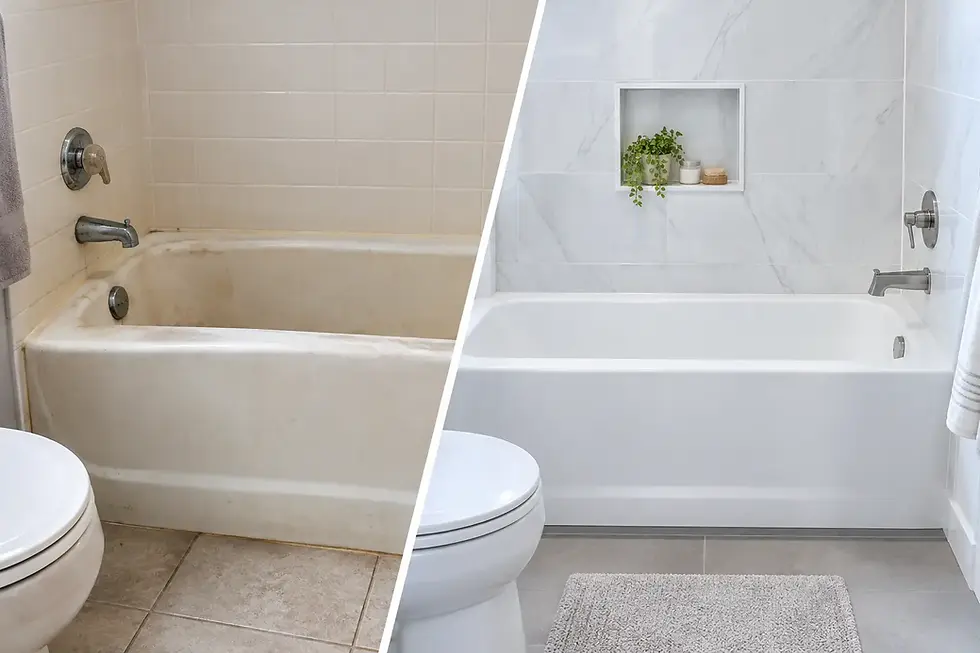
That is why refreshed, easy-clean surfaces are one of the most practical aging in place bathroom trends. Reglazing a worn bathtub or tile can give the room a bright, renewed appearance without tearing out fixtures that are still structurally sound. Repairing chips and cracks also helps create a smoother surface that is easier to maintain.
For value-conscious homeowners, refinishing can be a strong alternative to replacement. Full demolition can bring dust, noise, unexpected plumbing issues, and days or weeks without a functioning bathroom. Surface restoration is designed to preserve what is already there, improve its appearance, and reduce waste sent to the landfill.
The right option depends on the condition of the fixture. A stable tub with cosmetic wear may be a good candidate for reglazing. A tub with serious structural damage, major leaks, or a layout that creates an ongoing access issue may be better suited for conversion or replacement. A professional assessment helps separate a surface problem from a larger bathroom problem.
Brighter finishes improve visibility
Color is not just a design choice in an aging-in-place bathroom. Light, clean finishes can make edges, fixtures, and changes in floor level easier to see. A bright white tub, refreshed wall tile, and clean grout can improve the sense of order in a room that may have felt dark or neglected.
This does not mean every bathroom needs to be all white. Soft neutrals, warm grays, and natural tile tones can still feel current and inviting. What matters is contrast where it helps: a shower floor that is visually distinct from the walls, hardware that is easy to locate, and good lighting around the vanity and shower entrance.
Showers Are Becoming More Comfortable, Not More Institutional
Many homeowners hear "accessibility" and picture a hospital-style bathroom. Current design choices offer a much better balance. A low-threshold shower can include attractive wall surrounds, updated fixtures, clean lines, and a polished finish that suits the rest of the home.
Built-in seating is another feature gaining attention. A shower seat provides a place to rest, shave, or handle a temporary injury without forcing the whole bathroom to look specialized. It is particularly useful in homes where several generations share one bath.
Handheld showerheads also add flexibility. They make it easier to rinse the shower, bathe while seated, and adjust the water direction without awkward reaching. Paired with a secure grab bar, they can make a daily shower feel much more controlled and comfortable.
Grab bars deserve a closer look because they have improved dramatically in appearance. Many now resemble standard towel bars or coordinate with faucets and cabinet hardware. The key is proper installation. A grab bar should be securely anchored to support body weight, not attached as an afterthought to weak wall material.
Better Flooring Means Better Footing
Bathroom floors need to handle water, cleaning products, and constant traffic. For aging in place, the priority is reliable footing. Highly polished surfaces may look beautiful, but they can become slick when wet. Textured or slip-resistant options are often a better fit around showers, tubs, and toilets.
If existing tile is sound but looks stained, dated, or difficult to maintain, refinishing and regrouting may extend its useful life. Fresh grout can transform the room's appearance while closing gaps that collect moisture and grime. It is a targeted update that supports both hygiene and visual appeal.
Small changes in floor height should also be addressed. Uneven transitions between the hallway and bathroom, loose tile, or raised thresholds can create a trip risk. These details are easy to overlook during a cosmetic update, yet they have a major effect on how confidently someone moves through the space.
Storage Is Moving Within Easier Reach
Aging in place design also means reducing unnecessary bending, stretching, and twisting. Deep under-sink cabinets can be frustrating when everyday items are buried in the back. Drawers, pull-out organizers, and open shelving for frequently used towels can make the bathroom more convenient without changing its footprint.
Vanity updates are often an opportunity to improve both storage and style. Refinishing cabinets can revive a worn vanity at a fraction of the cost of replacement, especially when the cabinet boxes are still in good shape. A clean, updated finish paired with easy-grip hardware can make the room look newer while improving day-to-day usability.
Consider the countertop, too. A damaged or stained surface can make a bathroom feel less sanitary even when it has been cleaned. Resin countertop refinishing can refresh the look of an existing vanity surface and help create the cohesive, well-maintained appearance buyers, tenants, and homeowners appreciate.
Plan for Lighting, Controls, and Future Needs
Good lighting is one of the simplest upgrades with the biggest payoff. Bathrooms benefit from bright, even lighting at the vanity, clear illumination near the shower, and a night-light option for late-evening trips. Shadows around the tub or toilet can make a small room harder to navigate.
Lever-style faucet handles and easy-to-use shower controls are also worth considering. They require less grip strength than small knobs and are easier to operate with wet hands. Anti-scald controls can add another layer of comfort by helping prevent sudden temperature changes.
Not every bathroom needs every aging-in-place feature immediately. A homeowner in their 50s may prioritize a low-threshold shower and lighting now, then add a shower seat later if needed. A landlord may focus on durable surfaces, reliable footing, and a layout that appeals to tenants of different ages. The right plan matches the home, budget, and timeline.
A bathroom should not force anyone to choose between safety, cleanliness, and style. Start with the barrier that affects daily life most, whether it is a difficult tub entry, worn tile, poor lighting, or a vanity that no longer functions well. With practical updates and professionally renewed surfaces, Majestic Bathtub & Tile Reglazing can help turn that concern into a bathroom that feels cleaner, safer, and ready for the years ahead.


Comments