


Tub Liner Versus Reglazing: Which Is Better?

A bathtub can make an entire bathroom feel neglected, even when the rest of the room is clean. Yellowing, scratches, stubborn stains, chips, and dull surfaces all send the same message: this space needs attention. When comparing tub liner versus reglazing, homeowners often want one practical answer - which option makes an old tub look new without turning the bathroom into a demolition project?
The right choice depends on the condition of the tub, your budget, how quickly you need the room back, and whether you want to preserve the fixture you already own. Both options can improve appearance, but they work in very different ways.
What Is a Tub Liner?
A tub liner is a custom-made acrylic or PVC shell that fits over an existing bathtub. The installer measures the old tub, manufactures a matching cover, applies adhesive, and places the liner over the original fixture. The visible surface is new, so the tub can look cleaner and brighter than it did before.
For some homeowners, a liner sounds appealing because it covers stains and surface wear without removing the original bathtub. It can also be paired with wall panels for a more coordinated tub-and-shower update.
However, a liner does not restore the original tub surface. It creates a second layer over it. That distinction matters when evaluating long-term cleaning, fit, and cost.
What Is Bathtub Reglazing?
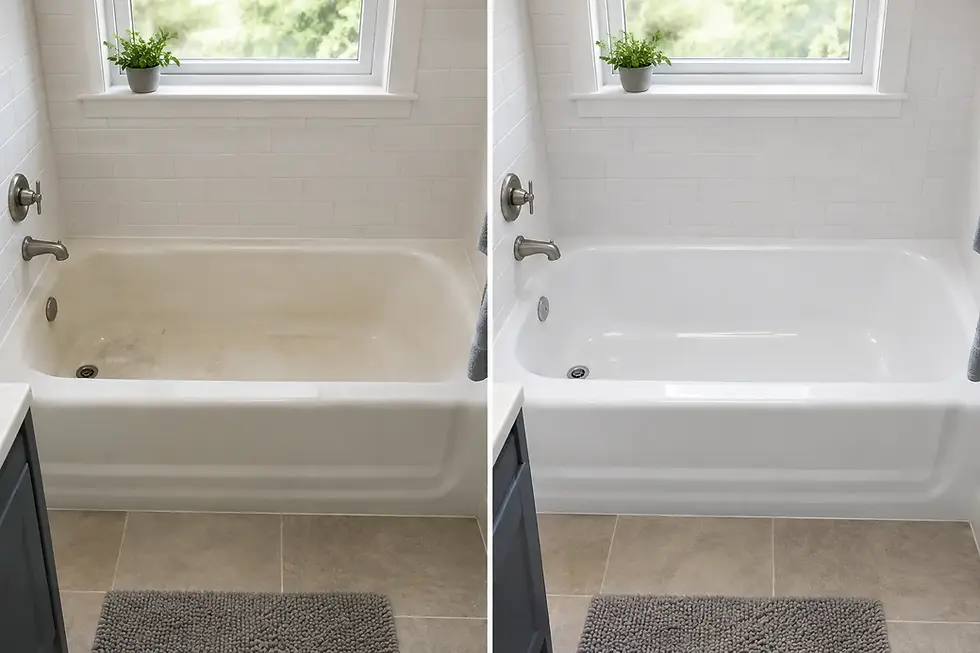
Bathtub reglazing, also called refinishing, restores the surface that is already there. A professional first cleans and prepares the tub, repairs chips or cracks where appropriate, addresses worn areas, and applies a durable new finish. The goal is a smooth, glossy bathtub that looks refreshed rather than covered.
Reglazing is especially useful for cast iron, steel, and many fiberglass tubs that are structurally sound but cosmetically worn. It can transform a dated color, hide discoloration, and repair visible damage without hauling a heavy fixture out of the bathroom.
For homeowners who want a noticeable before-and-after result with less disruption, reglazing is often the more direct path.
Tub Liner Versus Reglazing: The Key Differences
The biggest difference between a tub liner and reglazing is what happens to the old bathtub. A liner conceals it. Reglazing renews it.
A liner adds material to the existing fixture. This can slightly reduce the interior dimensions of the tub and may affect the look around the drain, overflow, edges, and wall connection. Because it is a separate shell, proper installation is essential. If water gets behind a poorly fitted liner, moisture can become trapped, creating odors, mildew concerns, or difficult-to-diagnose problems beneath the surface.
Reglazing does not add a second bathtub shell. Instead, it creates a renewed finish directly on the prepared fixture. When the tub is a good candidate and the prep work is done correctly, the result looks clean, cohesive, and close to the appearance of a new bathtub.
Neither option is automatically right for every bathroom. A tub with serious structural damage, severe rust-through, major movement, or plumbing issues may need more than a cosmetic update. That is why an honest evaluation should come before choosing a service.
Cost: Which Option Is More Budget-Friendly?
For many homeowners, cost is the deciding factor. Tub liners tend to cost more than reglazing because they require custom measurements, manufacturing, and installation of a separate product. When wall surrounds and other upgrades are included, the investment can climb further.
Reglazing is usually the more affordable option when the existing tub is in workable condition. It avoids the expense of demolition, disposal, replacement plumbing adjustments, new tile work, and the labor involved in installing a new tub. Those hidden costs can turn a simple replacement into a much larger bathroom project.
That makes reglazing particularly useful for landlords preparing a rental unit, sellers improving a bathroom before listing, and homeowners who want a high-impact refresh without committing to a full remodel. A professionally refinished tub can make old tile, updated fixtures, and a fresh coat of paint look far more intentional.
Downtime and Disruption Matter
A bathroom renovation can disrupt daily routines quickly, particularly in homes with one full bathroom. Replacement often means demolition, dust, noise, debris, and several trades working in the same space. Even a liner installation is less invasive than replacement, but it still involves fitting a manufactured shell and may require wall adjustments depending on the project.
Reglazing is designed around restoration rather than removal. There is no need to tear out a heavy tub or rebuild the surrounding floor and walls simply because the surface looks worn. Professional prep and application still require care, ventilation, and curing time, but the overall process is typically much faster and cleaner than replacement.
For busy households in New Jersey, Pennsylvania, Maryland, and New York, less downtime can be a major advantage. You get a bathroom that looks renewed without living through a renovation site for weeks.
Appearance and Cleaning: Where Reglazing Often Wins
A quality liner provides a fresh surface, but the finished look depends heavily on how well it fits. Seams, caulk lines, and transitions around the edges may be more noticeable than they are on a reglazed tub. Liners can also develop issues if cleaning products damage the surface or if the seal around the perimeter fails.
A professionally reglazed tub has a continuous, glossy finish that makes the fixture look revived as one piece. Chips and worn spots can be addressed before the new coating is applied, helping the tub look smoother and cleaner. This is particularly valuable in older homes where the original cast-iron tub has character, strength, and a shape that is difficult to replace affordably.
Cleaning habits matter either way. Avoid abrasive powders, harsh scouring pads, and strong chemicals that can damage refinished surfaces or liner materials. Use non-abrasive cleaners and a soft sponge or cloth. Good ventilation and regular cleaning also help prevent soap buildup and mildew around any tub or shower.
Durability Depends on the Tub and the Workmanship
It is reasonable to ask how long each option will last. The answer is not just about the product. It depends on the condition of the original tub, the quality of the installation or refinishing process, and how the surface is maintained.
A liner must stay securely bonded and sealed. If it shifts, cracks, or allows water behind it, repairs may be more complicated because the problem is hidden beneath the shell. Some liner projects also create a hollow sound or feel underfoot, depending on the installation and tub shape.
Reglazing relies on thorough surface preparation. Skipping repairs, cleaning, sanding, or bonding steps can lead to peeling or early wear. A properly refinished tub, treated with the right care, can provide years of improved appearance and daily use. It also keeps the original fixture accessible rather than placing it behind another layer.
When a Tub Liner May Make Sense
A liner may be worth considering when a homeowner specifically wants an acrylic shell or intends to install a coordinated wall system around the tub. It can also be an option for certain tub shapes or projects where a new covering is preferred over a restored surface.
Still, it is wise to ask direct questions before moving forward. Find out how the liner will be sealed, whether the installer addresses existing moisture concerns, how repairs are handled later, and what the finished edges will look like. A low-maintenance promise is only valuable if the installation protects the bathroom underneath.
When Reglazing Is the Smarter Choice
Reglazing is often the better fit when the tub is solid but unattractive. Common examples include surface scratches, faded color, dullness, minor chips, staining, and a finish that no longer feels clean even after scrubbing.
It is also a strong choice when you want to preserve a durable original tub, update the room quickly, and avoid the cost and mess of replacement. Rather than send a usable fixture to a landfill, refinishing extends its life and gives the bathroom a cleaner, more modern appearance.
Majestic Bathtub & Tile Reglazing helps homeowners evaluate whether their tub can be restored and what result to expect before work begins. A clear assessment prevents spending money on the wrong solution for your fixture.
Make the Decision Based on Your Bathroom, Not a Sales Pitch
If your bathtub is structurally sound and you want a fast, cost-conscious transformation, reglazing is usually the more practical choice. It renews the surface you use every day, improves the room's appearance, and avoids many of the complications that come with demolition or an added liner shell.
If you are unsure, start with the condition of the tub rather than the newest product being advertised. A professional estimate can tell you whether the damage is cosmetic, repairable, or a sign that a larger update is needed. The best bathroom improvement is the one that gives you a clean, reliable space you will feel good using tomorrow morning.


Comments